
Welcome to the definitive guide for fans who treat the pre-game as seriously as kickoff. Tailgating turns ordinary game days into weekend-long events where supporters gather to eat, socialize, and build memories that last the season.
This ranking covers every NFL stadium in active use for 2025, evaluating tailgate-friendly features across all venues. While the league has 32 teams, two pairs share facilities (MetLife Stadium hosts the New York Giants and Jets; SoFi Stadium hosts the Los Angeles Rams and Los Angeles Chargers), which creates distinctive tailgating dynamics at those homes.
We assessed each stadium on parking accessibility, tailgating policies, fan amenities, and overall atmosphere — from historic grounds steeped in tradition to modern NFL stadiums with purpose-built fan zones. Expect clear, practical advice for choosing the best spots for your next road trip or home-game day.
What you’ll learn: where to arrive and when, which NFL stadiums are best by climate, simple packing and safety tips, and a shortlist of the top tailgating sites to visit this season.
Whether you’re planning a multi-city football road trip or your first pre-game gathering, this guide helps you plan smarter so you spend less time guessing and more time celebrating with fellow fans. At the end, grab our printable tailgate checklist and stadium rules links to make your next game day seamless.
🕒 Best Time to Arrive for Tailgating
Most stadiums open their parking lots four to five hours before kickoff. For popular venues like Arrowhead or MetLife, arriving early ensures better spots and enough time to set up. Check the team’s official site for gate opening schedules on game day.
Introduction: A New Era of Tailgating at NFL Stadiums
Tailgating has evolved from a simple grill-and-cooler ritual into a full-fledged part of the professional football experience. Modern stadiums treat pre-game festivities as an essential part of the game day journey, designing spaces and services that keep fans engaged long before kickoff.

The 2020 openings of SoFi Stadium and Allegiant Stadium accelerated that shift: both venues added dedicated fan plazas, premium hospitality zones, and robust connectivity (high-speed Wi‑Fi and stadium apps) that let fans stream, share, and navigate the site easily. Those innovations set a visible standard for how new stadiums blend tradition with convenience.
For the 2025 season, expect even more venue-driven improvements: smarter parking layouts, app-driven arrival windows, and technology-enabled fan zones that support food ordering, cashless payments, and real-time alerts. These features complement classic tailgate elements — grilling, music, and neighborly competition — while reducing friction and improving safety.
Quick take: a modern tailgating stadium combines ample, well-signed parking; purpose-built fan zones or plazas; strong connectivity; and clear, flexible policies that let communities celebrate responsibly.
This guide walks fans through those design and policy differences so you can choose the right stadiums for your style — whether you prefer a sun-soaked lot in Los Angeles, a Vegas destination tailgate, or a traditional community atmosphere at a historic venue. Use these insights to plan a smoother, more memorable pre-game experience.
History and Evolution of NFL Stadiums
The story of NFL stadiums mirrors a century of American design: simple concrete bowls gave way to multi-use entertainment complexes that prioritize fan comfort, technology, and experience. As venues modernized, tailgating evolved alongside them—from informal parking-lot gatherings to organized pre-game festivals tied into stadium operations.
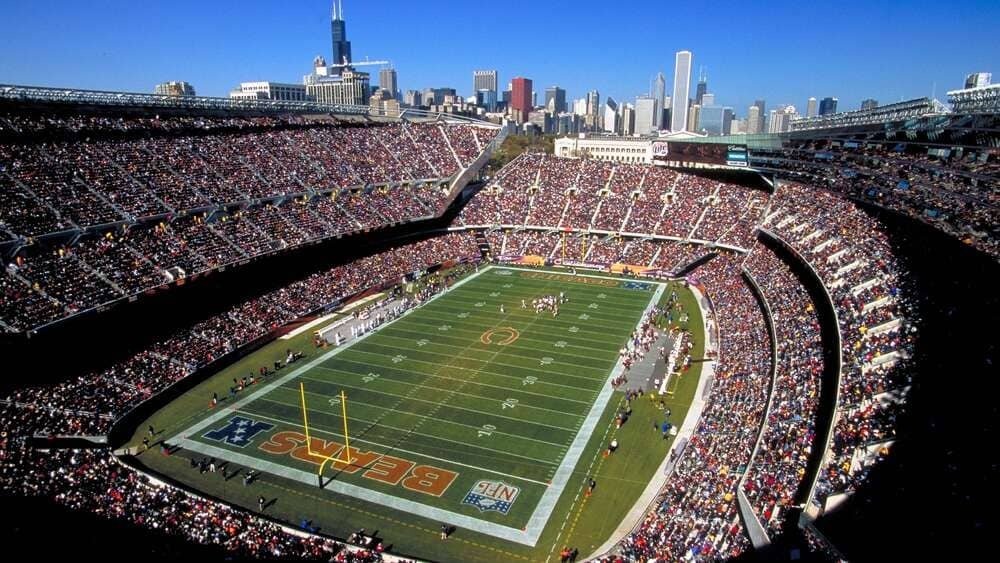
Understanding this timeline helps explain why some stadiums produce legendary pre-game cultures while others emphasize fan zones and hospitality.
From Soldier Field to Modern Marvels
Soldier Field is one of the league’s most historic sites. Opened in 1924 and adopted by the Chicago Bears as their long-term home in 1971, the venue received a major 2002 reconstruction that preserved its colonnade while rebuilding the interior into a modern stadium. That blend of heritage and upgrade makes Soldier Field a classic example of a retro venue adapting to contemporary fan needs.
The oldest continuously used NFL facility is Lambeau Field in Green Bay, which has hosted Packers games since 1957. Lambeau’s ongoing relevance demonstrates how tradition, fan ownership, and incremental modernization can sustain passionate tailgating cultures across generations.
The Role of Retro and Renovated Venues
Legacy stadiums often face a trade-off between preserving character and providing modern amenities. Renovations commonly reconfigure parking and pedestrian flow to create safer, more organized tailgating areas while keeping the emotional ties fans value. The result: venues that feel authentic but also practical for today’s fans.
Practical takeaway for tailgaters: when visiting a renovated stadium, expect improved restroom access, clearer traffic patterns, and often designated tailgating zones that balance tradition with safety.
Architectural Highlights and Stadium Design Innovations
Design choices—especially roof type and stadium footprint—directly affect tailgating. Your pre-game experience depends on whether a stadium is open-air, fully enclosed, or uses retractable or translucent roofing.
Open-Air vs. Enclosed Arenas
Open-air stadiums embrace the elements. In Buffalo, fans routinely grill through snowstorms; in Miami, tailgates happen under bright sun. These venues preserve football’s outdoor heritage and make weather part of the ritual.
Enclosed domes offer climate control and predictable conditions for fans and operations. Domes can shift the tailgate vibe indoors or toward adjacent entertainment districts, especially when parking is less hospitable for grilling and large gatherings.
Quick tip: choose open-air venues if you want an authentic parking-lot BBQ and don’t mind weather; pick domes when you prefer a climate-controlled pre-game or when severe weather is likely.
Retractable Roofs and Translucent Structures
Retractable roofs add flexibility: stadiums with this tech can open for pleasant days or close for storms, blending outdoor feel with protection when needed. Translucent roofs—used at some modern venues—let natural light in while sheltering fans from rain and wind, creating a hybrid atmosphere that supports both indoor amenities and an open aesthetic.
Practical planning advice: check the venue’s roof policy and typical game-day procedure—some teams decide roof status shortly before kickoff based on conditions. That choice affects whether tailgate activity funnels into indoor fan plazas or remains in the lots.
Understanding roof and design types gives tailgaters a clear advantage when planning: parking choice, arrival time, and what gear to bring (grills, pop-up tents, or weatherproof seating) should all map to the stadium’s architecture.
Exploring NFL stadiums: Ranking Criteria and Tailgating Metrics
To compare stadiums fairly, we use a transparent, repeatable methodology that focuses on the elements tailgaters care about most. Our scoring mixes measurable infrastructure metrics with qualitative atmosphere assessments so you can see both the hard facts and the lived experience at each venue.
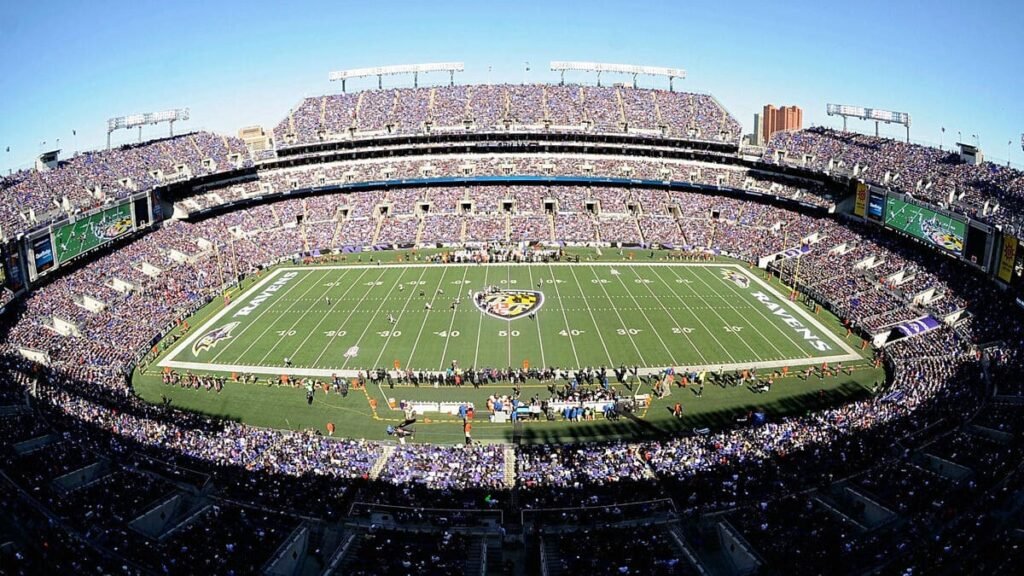
Below is a concise rubric we apply to every NFL stadium. Each category receives a numeric score; those scores combine into a final tailgating rating you can use to compare venues across the country.
- Parking & Access (30%) — Lot size, ease of ingress/egress, signage, and dedicated tailgate zones. Large-capacity NFL stadiums like MetLife Stadium usually score high for space but vary by traffic planning.
- Policies & Flexibility (20%) — Rules about grills, open flames, alcohol, and hours. Venues with clear, fan-friendly policies rank better for relaxed tailgates.
- Amenities (20%) — Restrooms, trash/recycling, potable water, and nearby concessions or fan plazas that support pre-game gatherings.
- Atmosphere & Community (15%) — Intangible factors: local traditions, neighborly culture, and typical crowd energy that make tailgates memorable.
- Site Features (15%) — Roof type, field surface, and proximity of parking to gates; these influence whether tailgates stay in lots or move to indoor fan zones.
Stadium Capacity and Seating Experience
Capacity shapes tailgating dynamics. Larger NFL stadiums provide more lot space but also bring heavier traffic; mid-size venues often offer the best balance of atmosphere and manageability.
Example capacities we reference: MetLife Stadium (~82,500) creates expansive tailgating zones ideal for festival-style gatherings, while Soldier Field (~61,500) delivers smaller, community-focused celebrations. We verify each stadium’s published capacity before scoring.
Field Surface, Roof Type, and Fan Amenities
Playing surface and roof configuration matter for both the game and the pre-game. Whether a venue has natural grass or artificial turf can affect post-game cleanup and certain parking restrictions; roof type determines how weather influences tailgating choices.
Practical note: we track whether a stadium uses natural grass, and whether it has an open-air, domed, retractable, or translucent roof. Those attributes feed into the “Site Features” score and the tailgate advice we give for each stadium.
In the full rankings that follow, you’ll see scorecards for each stadium that explain how we applied these criteria. For transparency, we cite official stadium pages and team resources for capacity, field surface, and parking rules used in our analysis.
🏈 Top 10 NFL Stadiums for Tailgating – 2025 Edition
After analyzing parking access, fan policies, amenities, atmosphere, and overall site features, we ranked the NFL’s most tailgate-friendly stadiums for the 2025 season. These venues deliver the best mix of convenience, culture, and pure game-day energy. Here’s how the top 10 NFL stadiums stack up for fans who live for the pre-game experience:
Based on Parking & Access, Policies, Amenities, Atmosphere, and Site Features.
| Rank | Stadium | Team / City | Tailgating Highlights | Overall Strength |
|---|---|---|---|---|
| 1 | Arrowhead Stadium | Kansas City Chiefs | Massive lots, legendary BBQ, unmatched fan energy. | Atmosphere & Parking |
| 2 | Lambeau Field | Green Bay Packers | Historic venue, community-driven traditions. | Tradition & Community |
| 3 | NRG Stadium | Houston Texans | Texas-sized lots, BBQ setups, retractable roof. | Space & BBQ Culture |
| 4 | Empower Field at Mile High | Denver Broncos | High-altitude vibe, crisp weather, scenic backdrops. | Atmosphere & Local Spirit |
| 5 | Hard Rock Stadium | Miami Dolphins | Palm-shaded lots, festive music, sunny gatherings. | Amenities & Vibe |
| 6 | MetLife Stadium | NY Giants / NY Jets | Huge space, festival atmosphere, early arrivals. | Scale & Accessibility |
| 7 | SoFi Stadium | LA Rams / LA Chargers | Modern plazas, fan zones, app-driven comfort. | Innovation & Comfort |
| 8 | Allegiant Stadium | Las Vegas Raiders | Vegas-style parties, premium amenities, nightlife feel. | Experience & Entertainment |
| 9 | U.S. Bank Stadium | Minnesota Vikings | All-weather comfort, indoor plazas, smart design. | Comfort & Tech |
| 10 | Soldier Field | Chicago Bears | Historic charm, smaller lots, strong community vibe. | Tradition & Atmosphere |
Modern NFL Stadiums: Innovation and Fan Experience
The newest generation of NFL stadiums is redefining the pre-game and game-day journey. These state-of-the-art venues combine bold architecture with smart technology so fans spend less time managing logistics and more time enjoying the event—from the parking lot to the final whistle.
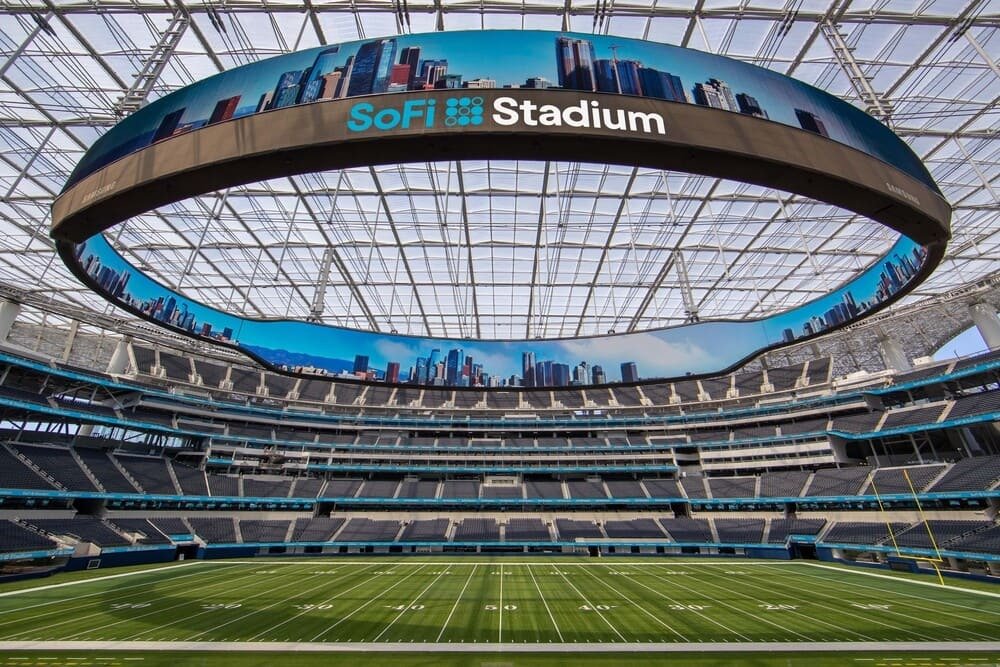
Modern NFL stadiums prioritize comfort, convenience, and safety at every touchpoint. That starts with clearer traffic flow and dedicated tailgate-friendly zones and extends to connectivity and on-site services that make planning and sharing your experience simple.
Cutting-Edge Technology and Safety Measures
SoFi Stadium in Los Angeles showcases several hallmarks of 21st-century stadium design: a translucent canopy that protects against rain while preserving natural light, extensive Wi‑Fi and cellular densification to support thousands of simultaneous connections, and large-scale digital signage that keeps fans informed and engaged.
Allegiant Stadium in Las Vegas pairs a natural grass field with premium fan hospitality and a sleek translucent exterior. The venue’s cashless concessions, mobile ordering, and wayfinding features in the stadium app streamline the pre-game routine so fans can focus on socializing, eating, and getting to their seats on time.
U.S. Bank Stadium brought many fan-first concepts—clear sightlines, weather protection, and integrated fan spaces—that influenced newer builds. Across these modern NFL stadiums, improved traffic engineering and layered security checks help reduce bottlenecks while maintaining a welcoming environment for fans and families.
Practical comparison (tailgate implications): SoFi and Allegiant support upscale plaza-style tailgates and app-driven services but still offer large parking areas for traditional grilling; U.S. Bank-style designs tend to channel activities into adjacent fan zones when outdoor conditions are poor. For the 2025 season, expect continued expansion of cashless payments, app notifications for arrival windows, and enhanced stadium connectivity that benefits tailgaters and seat-holders alike.
Editor’s note: link to official stadium apps and parking maps in each stadium’s profile to help fans download tools and plan arrivals ahead of game day.
Comparing Stadium Capacities and Unique Venue Specialties
Stadium capacity is a major driver of tailgating style: some venues produce festival-scale gatherings while others foster tight-knit community parties. The number of seats (and the resulting lot size and traffic) helps determine arrival times, parking strategy, and the overall vibe of pre-game festivities.
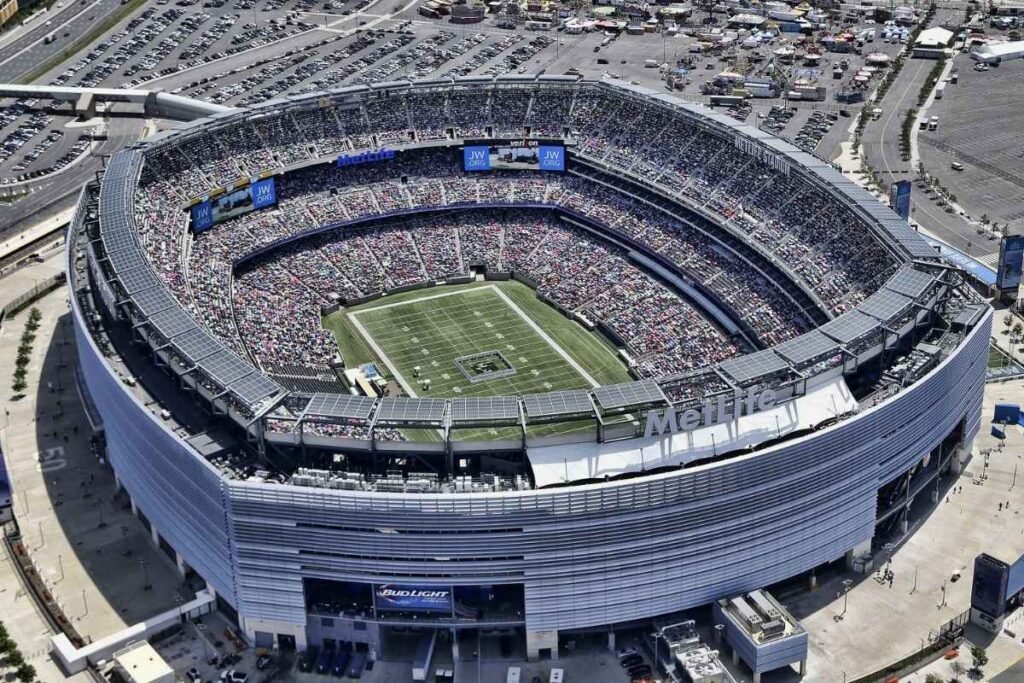
Knowing how seating affects tailgating lets you pick the right destination for your ideal game day—whether you want a sprawling party or a focused neighborhood-style meet-up.
Largest and Smallest NFL Venues Explained
MetLife Stadium in New York is one of the league’s largest facilities, with roughly 82,500 seats. That capacity supports broad, festival-style tailgates across multiple lots and usually requires early arrival to secure a premium spot; shared tenancy by two teams adds variety to the crowd and traditions you’ll encounter.
By contrast, Soldier Field in Chicago offers a smaller, more intimate atmosphere (around 61,500 seats after its major renovation). Its lakefront setting and compact lots translate to concentrated energy—smaller groups, closer neighbors, and tailgates that feel like community gatherings rather than large-scale events.
Most NFL stadiums fall between these extremes. Mid-size venues often strike the best balance for fans who want lively atmospheres without the logistical headaches of the largest sites. Practical rule of thumb: larger stadiums mean more space but longer traffic delays; smaller stadiums mean limited parking but faster access to gates.
Iconic Stadium Spotlights
Iconic NFL stadiums often define their city’s tailgating personality—history and architecture shape what fans expect before kickoff.
Soldier Field: The Historic Underdog
Soldier Field mixes deep history with modern upgrades, creating a tailgate experience rooted in tradition. Fans tend to bring hearty, weather-ready setups for lake-effect days and cherish long-standing rituals that get passed down season to season.
SoFi and Allegiant: The New Age of Tailgating
The Los Angeles market changed with SoFi Stadium (2020), a 70,240-seat venue that hosts both the Los Angeles Rams and Los Angeles Chargers. SoFi’s translucent canopy and large plaza areas support upscale, plaza-style pre-game gatherings that blend modern amenities with traditional grilling in adjacent lots.
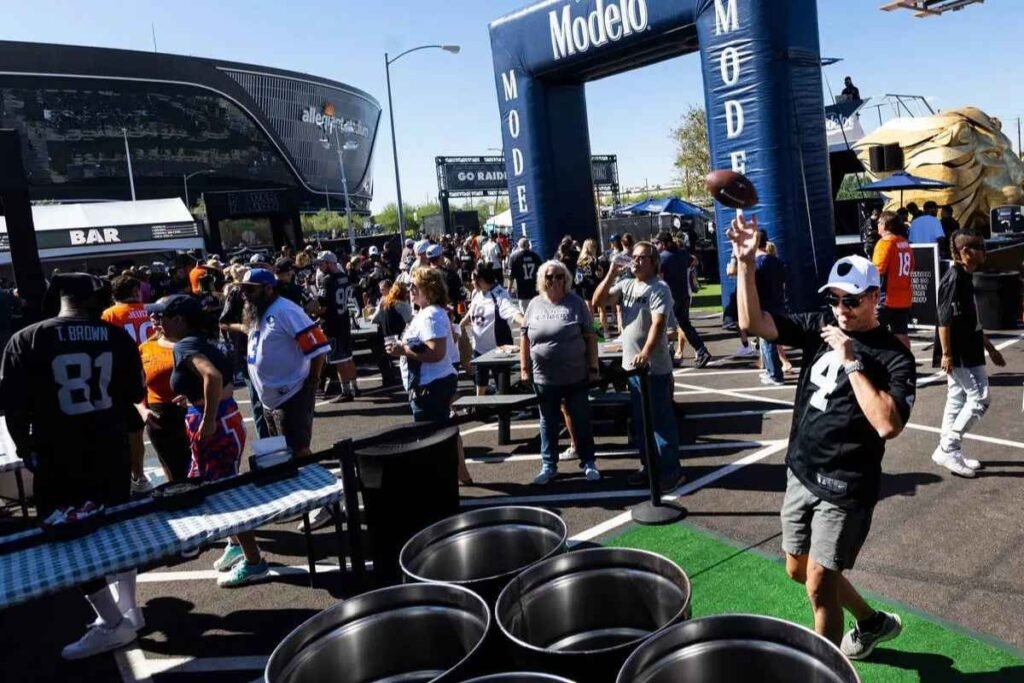
Allegiant Stadium (also opened in 2020) brought the Las Vegas Raiders home to a 65,000-seat, entertainment-forward venue. Tailgating around Allegiant often feels like a destination—fans combine pre-game parties with Vegas hospitality, making some game days feel like mini-vacations.
Quick picks: Most festival-like tailgate — MetLife Stadium; Most intimate community vibe — Soldier Field; Most upscale plaza-style experience — SoFi and Allegiant.
Editorial note for the rewrite: link each stadium’s profile to official parking rules and tailgating policies so readers can confirm lot maps, arrival windows, and specific restrictions before they go.
Tailgating Amenities and Pre-Game Festivities
Great tailgating depends on more than team spirit — venue amenities can make or break a pre-game. The best NFL stadiums provide practical infrastructure (restrooms, trash/recycling, water stations), dedicated grilling zones or fan plazas, and clear wayfinding so groups spend less time hunting for facilities and more time celebrating.
🔥 Tailgating Safety Tips
Always keep a fire extinguisher nearby when grilling and avoid placing hot coals directly on asphalt. Dispose of ashes in designated containers and never leave open flames unattended. Follow stadium fire codes to avoid fines or penalties.
Hard Rock Stadium in Miami Gardens leans into its entertainment roots with a warm-weather tailgating vibe: expect palm-shaded setups, bright music, and large lots that encourage party-style gatherings consistent with the Hard Rock brand. At this rock stadium, fans often plan late-morning arrivals and sun-ready gear.
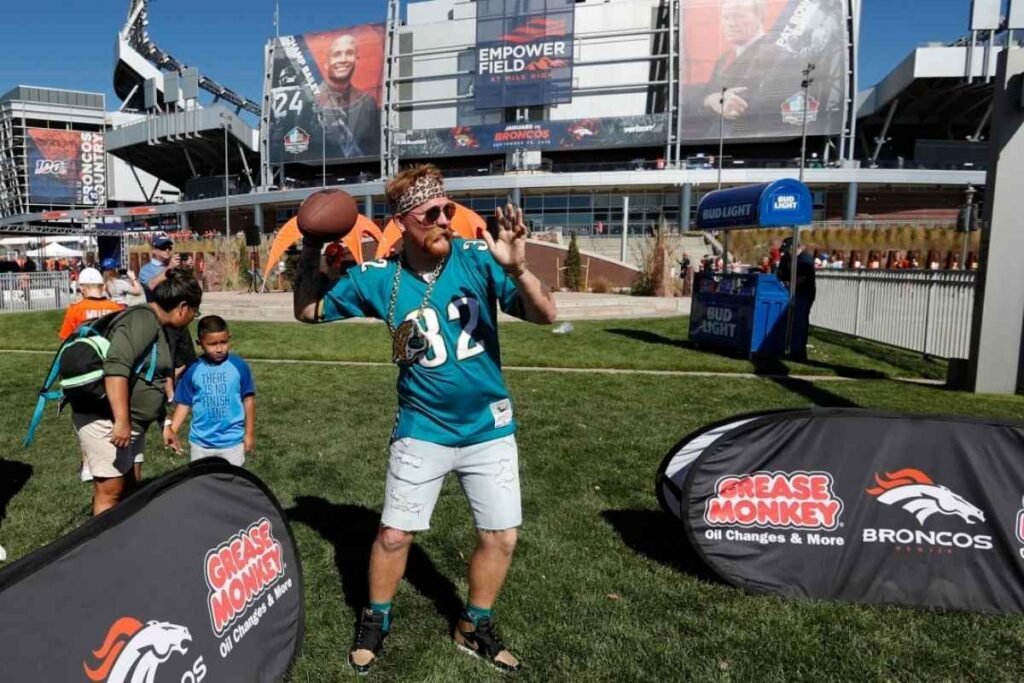
Empower Field at Mile High in Denver brings a high-altitude energy to tailgating that reflects Colorado’s outdoor spirit. Fans embrace the crisp mountain air with hearty BBQs, craft beers, and layers ready for rapid weather changes. Large lots around the stadium fill early with Broncos orange and blue, and the thin air makes those game-day brews hit a little faster — so hydration and pacing are key. Expect a mix of traditional grills, smoker trailers, and scenic Rocky Mountain backdrops that make every tailgate feel like a local celebration.
Ford Field offers a different model as a domed venue. Detroit Lions supporters frequently shift pre-game activity indoors or into nearby entertainment districts when weather or lot configuration makes outdoor grilling less practical — plan for indoor-friendly setups and check nearby bars and plazas for overflow space.
In Houston, NRG Stadium supports Texas-scale tailgates: generous parking, room for large grills, and a retractable-roof design that lets organizers adapt to weather. When visiting, pack heavy-duty gear and arrive early to secure a prime spot for BBQ traditions.
Arrowhead Stadium in Kansas City remains legendary for expansive lots and hours-long pre-game rituals. Fans there arrive early, set up sizeable camps, and use the space to host multi-generation gatherings — plan for loud, lively crowds and bring extra chairs and shade structures.
Small checklist for better tailgates:
- Confirm grill and alcohol policies on the stadium’s official parking page before you pack.
- Bring trash bags and a small recycling kit; many NFL stadiums now enforce clean-up rules.
- Use the stadium app or parking map to pick a lot that matches your style (plaza vs. open-lot grilling).
- Label your setup and share a contact method with nearby groups to coordinate shared resources.
Corporate Naming Rights, Branding, and Community Impact
Most NFL stadiums carry corporate names, but many local fans still use traditional names or shorthand that reflect community attachment. Sponsorship deals generate vital revenue for teams and facilities, funding upgrades that improve tailgating amenities and stadium services.
Arrowhead Stadium demonstrates a common hybrid approach: the team sells naming rights for certain areas while preserving the stadium’s historic identity that fans value. That balance helps fund improvements while keeping the community’s emotional ties intact.
The Influence of Sponsorship on Venue Identity
Lambeau Field in Green Bay highlights how tradition and ownership models affect identity. As a community-owned team, the Packers maintain a strong link between venue history and fan culture — a feature that supports authentic tailgating rituals tied to team heritage.
Sponsorship agreements typically last a decade or more and contribute to facility upgrades, community programs, and tailgate-friendly investments. Despite corporate branding, fans often continue to refer to venues by their original or colloquial names, showing that local culture often outweighs commercial identity.
For more background on naming rights strategies, see this external primer: naming rights strategies.
NFL International Venues and Global Influence
The league’s international expansion brings interesting adaptations of tailgating culture. In London, São Paulo, or Madrid, local fans blend American pre-game customs with regional hospitality and food culture, creating unique event atmospheres for the International Series.
International Series and Special Event Locations
The International Series brings NFL games to iconic global venues and gives fans a chance to compare domestic stadium traditions with local twists. In 2025, the league’s international schedule includes games at major venues that attract both travelers and local fans, and domestic special events at NFL stadiums like Mercedes-Benz Stadium and Gillette Stadium continue to draw cross-country visitors.
Whether at a neighborhood lot or a destination stadium abroad, the core of tailgating remains the same: shared food, shared stories, and a shared love of the game. Before you travel for a game—domestic or international—confirm the local stadium’s tailgate rules and parking maps to avoid surprises and get the most out of your pre-game experience.
Future Innovations in NFL Stadium Design and Technology
Tomorrow’s parking-lot celebrations are already being shaped by stadium projects that blend technological upgrades with fan-first design. New builds and major renovations prioritize dedicated tailgating zones, improved traffic flow, and connective infrastructure so pre-game gatherings stay convenient, safe, and fun.
Buffalo Bills fans will see a major change with the New Highmark Stadium planned to open in 2026. The design—planned as an open-air 62,000-capacity venue in Orchard Park, New York—aims to preserve cold-weather tailgating traditions while updating circulation and parking to reduce congestion on game days.

Several franchises are investing in next-generation facilities with translucent roofing or hybrid designs that maintain outdoor connections while offering weather protection. Projects in the pipeline include the Tennessee Titans’ New Nissan Stadium (targeted for 2027) and the Cleveland Browns’ proposed Huntington Bank Field replacement (targeted later in the decade). The Washington Commanders’ planned new stadium likewise emphasizes flexible, fan-friendly architecture.
Not every future venue goes enclosed—many teams intentionally preserve open-air designs to protect regional tailgating traditions. The trend is clear: whether with translucent canopies, retractable sections, or purpose-built lots, new NFL stadiums are designed to support tailgating as part of the fan experience rather than an afterthought.
Recent completed projects like Levi Stadium in San Francisco, Lucas Oil Stadium, and Raymond James Stadium set functional benchmarks that planners reference when specifying parking, egress, and fan-zone amenities. Established sites such as MetLife Stadium in New York continue to roll out targeted upgrades that improve the pre-game flow across lots and plazas.
Design features to watch over the next few seasons:
- Dedicated, mapped tailgating zones that reduce inter-lot congestion and make RSVPing or reserving group areas possible.
- Enhanced app integration for arrival windows, lot assignments, and cashless transactions to shorten lines and get fans into place sooner.
- Translucent or retractable roof elements that provide weather protection without sacrificing daylight or the open-air feel fans prefer.
Game Day Atmosphere: Enhancing Fan Experiences
Each home game is a limited opportunity—most teams host 8–9 home games per season—so organizers and stadiums design experiences to maximize those days. With a 17-game regular season spread across 18 weeks, every pre-game matter counts for building memories and community.
Creating a Memorable Environment On and Off the Field
Tailgating starts hours before kickoff. Sensory cues—the smell of regional BBQ, team colors on display, and a curated playlist—help create emotional anchors that make game days feel special. NFL Stadiums that invest in wayfinding, restroom capacity, and fan-plaza programming multiply those positive impressions.
Practical takeaways for visitors:
- Check official arrival windows and use app-assigned lot maps to avoid bottlenecks—this can shave 30–60 minutes off entry on busy days.
- Pick a parking zone that matches your event style (festival-style lots for large gatherings; plaza-adjacent lots if you prefer organized, amenity-rich tailgates).
- Bring weather-appropriate gear—open-air builds like the New Highmark Stadium preserve cold-weather traditions, so prepare for snow or wind if you’re heading to Buffalo.
🍔 Must-Have Tailgating Essentials
- Portable grill or smoker
- Coolers with ice and drinks
- Pop-up tent or canopy
- Team chairs and flags
- Trash bags and cleaning supplies
- Reusable cups or bottles (many stadiums restrict glass)
Conclusion
From coast to coast, the variety of NFL stadiums creates a rich tapestry of pre-game traditions—historic plazas, festival-style lots, and modern plaza-tailgates all coexist. Whether you prefer the communal charm of a smaller venue or the large-scale energy of big NFL stadiums, planning with venue-specific details in mind will improve every outing.
Use this guide to match your preferred tailgating style to the right stadium: check official parking maps, download the stadium app for arrival windows and cashless options, and grab our printable tailgate checklist to make the most of each game day. As teams continue updating their facilities, the core appeal of gathering with fellow supporters will remain the same—celebration, community, and the love of football.
FAQ
What should I bring for my first tailgating experience?
Which NFL stadium has the best tailgating scene?
What is the newest NFL venue, and what makes it special for fans?
Are there stadiums with retractable roofs?
Which stadium holds the most fans?

Robson Calefi is a Data Processing Technologist and seasoned Web Developer who has been active in the digital industry since 1997. A passionate fan of the NFL and NCAA College Football, he founded AmericaTailgating.com in 2025 to share his love for the tailgating lifestyle.