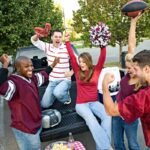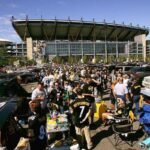
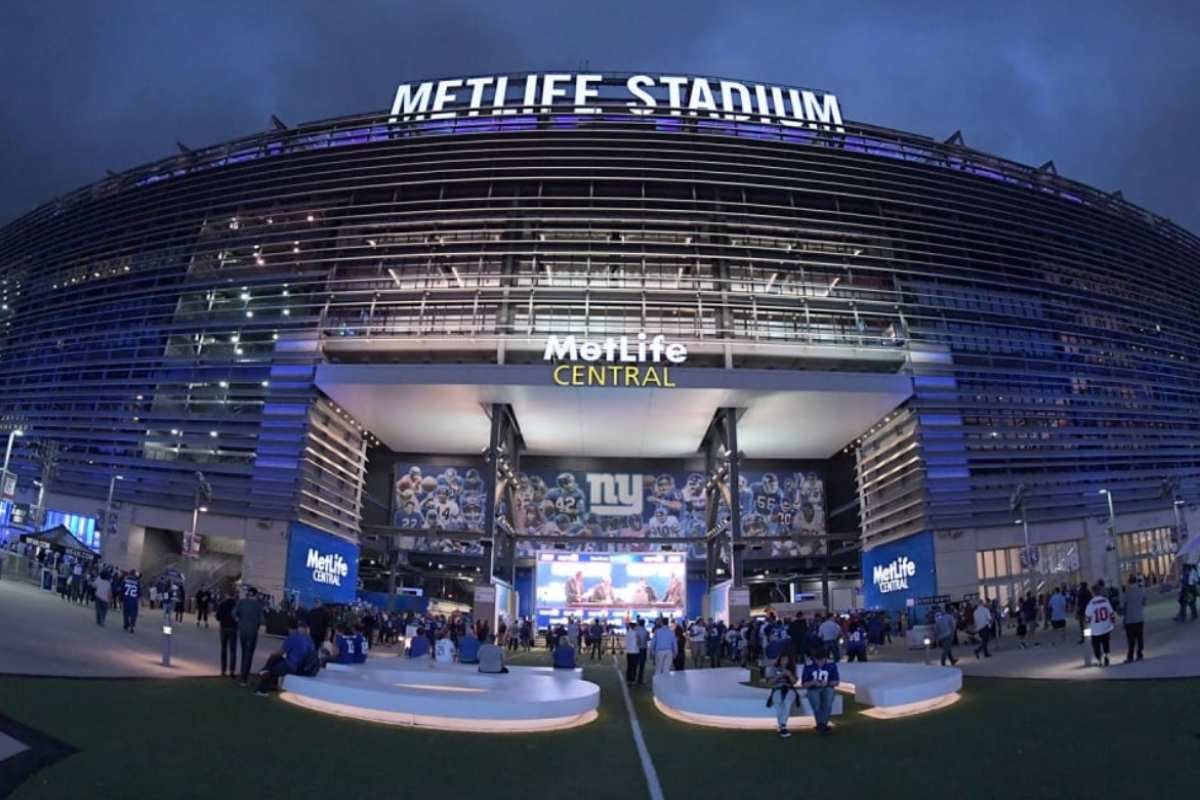

As a longtime fan who loves the whole pregame ritual, I can tell you tailgating at MetLife Stadium is as much a part of the day as the game itself. For New York Giants supporters, the parking lots become a buzzing scene of grills, music, and friendly rival banter long before kickoff.
This guide is written from one fan to another: no sales pitch, just practical tips to make your next tailgate a great time. I’ll walk through the essentials — timing and parking, food and drink strategies, safety and setup, plus a few tricks I’ve picked up over years of tailgate parties.
Whether you’re planning a small tailgate with friends or coordinating a larger pregame party for family and fellow fans, these straightforward ideas will help you focus on what matters most: camaraderie, cheering on the team, and enjoying the whole home-game experience.
Tailgating at MetLife Stadium: Your Ultimate Game Day Blueprint
Good planning is everything. From choosing the right parking spot to managing your crew’s arrival times, smart logistics make a tailgate feel relaxed instead of rushed. In my experience at MetLife Stadium, knowing roughly when to show up and what to bring is half the battle.
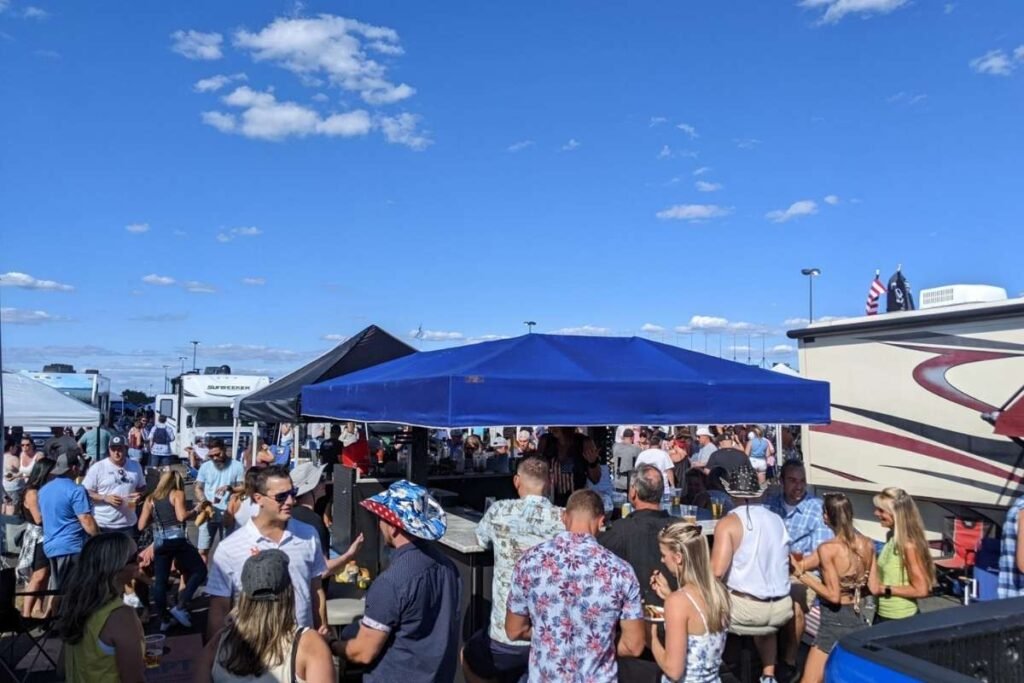
Planning Your Space and Timing for a Seamless Experience
Arrival timing matters: aim to be in the parking lots 3–4 hours before kickoff so you can claim a good spot, set up, and still have time to mingle before heading into the game. For example, for a 1:00 PM game I usually arrive around 9:00–10:00 AM; for an evening game I treat the afternoon the same way and start setting up a few hours before kickoff.
Rather than relying on a single “best” lot, work with your group to pick a zone that fits your needs — closer to the stadium if you want a shorter walk, or a larger lot if you’re bringing a big setup. Marking your tailgate area with a flag or canopy and sharing a photo of the parked car with friends helps everyone find the spot quickly.
Parking, Setup, and Safety Considerations
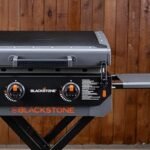
Coordinate your group so most guests arrive within the first hour of your planned start time; that way you can get grills fired, drinks chilled, and food started without scrambling. Here’s a simple gear checklist I always use: tent/canopy, tent stakes or sandbags, grill and fuel, cooler(s) with ice, water jug, trash bags, paper goods, a basic first-aid kit, and a fire extinguisher.
Weather and safety are part of planning. Bring tent walls or heavy-duty tarps for wind, and have warm layers or propane heaters if the forecast calls for cold temps — but always verify stadium rules about open flames and portable heaters in advance. Anchor everything securely, keep a safe distance between grills and tents, and practice responsible alcohol consumption so everyone can enjoy the tailgate and the game.
Game Day Food, Drinks, and Setup Strategies
Great food and a smart setup turn a simple parking-lot hang into the kind of tailgate people remember. From what I’ve learned over the years, planning a menu that’s easy to execute and easy to eat helps keep the focus on the fans, the team, and having a great time.
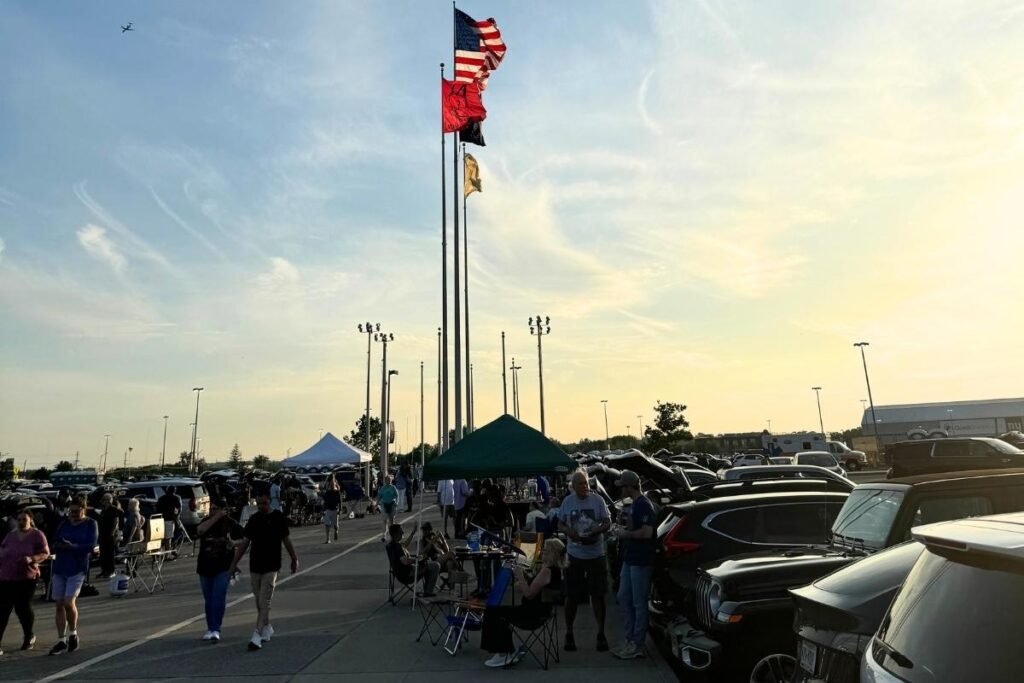
Delicious Food and Beverage Ideas to Impress Your Guests
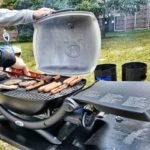
If you’re doing it yourself, stick with crowd-pleasers that are simple to prep and serve: burgers, hot dogs, sausages, wings, and sliders. For a Giants home tailgate I also bring a big pot of chili (keeps warm on a portable burner) and a tray of veggie skewers so there’s something for everyone. If you prefer potluck style, assign categories to people — one brings mains, another sides, someone else takes desserts — and you’ll have a fuller spread with less work.
Drinks deserve a plan too. Use at least two coolers: one for beer and canned drinks, another for perishables and prepped food. A good rule of thumb is a 2:1 ice-to-drink ratio by volume for coolers that will sit all day. Always include non-alcoholic options and plenty of water so guests stay hydrated.
Setup, Presentation, and Food Safety
Organize your area into stations: grill zone, drink cooler zone, condiment/utensil table, and a trash/recycling station. This keeps people moving smoothly and prevents a crowded mess around the grill. Use labeled containers or small chalkboard signs for sauces, and keep serving utensils separate to avoid cross-contamination.
Food safety matters — keep hot foods hot and cold foods cold. Use insulated containers or portable warmers for hot dishes and a thermometer if you’re unsure about internal temperatures. Pack plenty of napkins, hand sanitizer, and a few disposable gloves for handling food. When the party winds down, leave the lot cleaner than you found it: bag trash, take recyclables, and check for stray charcoal or melted ice.
Enhancing Your Tailgate Experience with Practical Scaling Options
You don’t need a commercial package to have a memorable pregame — there are plenty of fan-friendly ways to scale a tailgate to fit your group and budget. Whether you’re planning for a handful of friends or a big crew, thoughtful choices about gear, staffing, and logistics make the difference between a chaotic setup and a smooth game day.
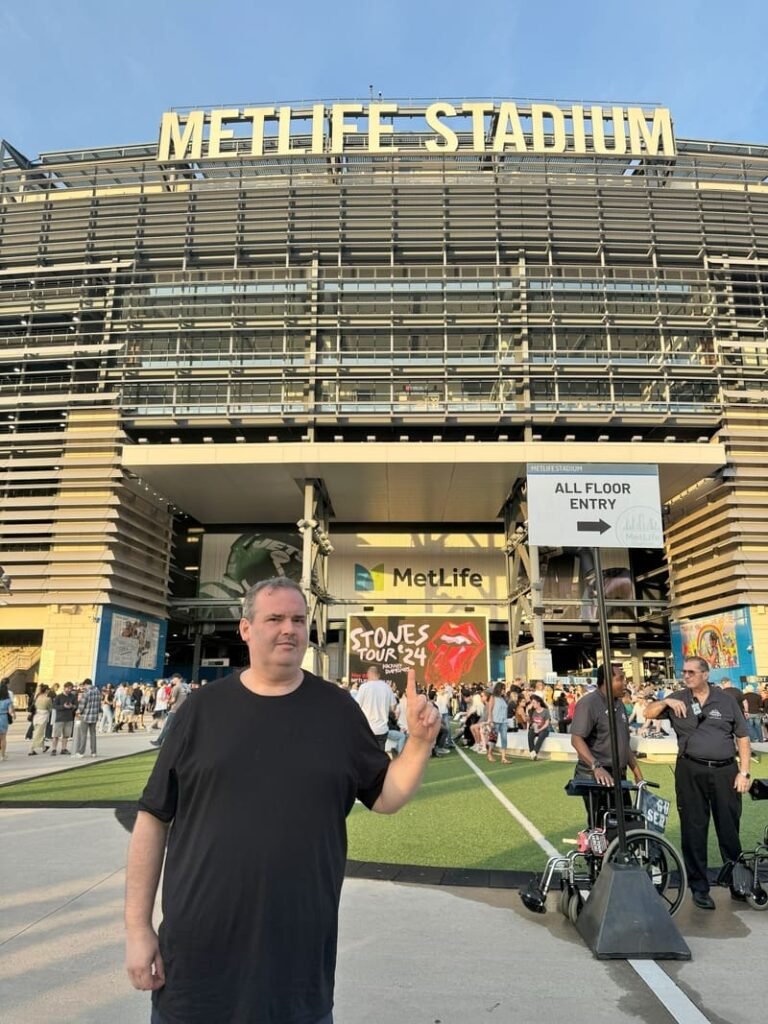
Ways to Scale a Tailgate for Any Group Size
For small groups, stick to a compact setup: one grill, a couple of coolers, folding chairs, and a canopy. For mid-size gatherings, add a second grill or a portable food warmer, extra folding tables, and a basic speaker for music. For large tailgates, coordinate roles among fans — one person runs grilling, another handles drinks, someone keeps the trash and recycling organized — and consider renting a larger canopy or portable restroom through an independent vendor if needed.
Think about optional gear that upgrades comfort without breaking the bank: battery-powered TVs or tablets for watching other games, extra battery packs, portable power stations, and propane heaters for cold days (but always check stadium rules before bringing heaters). These options let you build a bespoke game tailgate that fits your group’s style.
Finally, transportation and arrival coordination make a big difference. Carpool to save parking spaces, share photos of your parked car and tent location with late arrivals, and set a simple meeting point. If some guests don’t have tickets, plan ahead so they can still enjoy the tailgate without disrupting entry rules or other fans.
Conclusion
At its best, a tailgate is about planning, friends, and the simple joy of cheering on the team together. If you follow the basics — arrive with a timeline, organize your food and drink stations, and prioritize safety — you’ll set yourself up for a great time whether it’s a small get-together or a bigger tailgate party.
My three-step planning checklist: 1) Pick your arrival window and share it with the group, 2) Assign food and gear responsibilities so no one person does everything, and 3) Pack a safety kit (fire extinguisher, first-aid, trash bags) and a plan for weather changes. These small moves make the whole experience smoother and more fun.
Tailgating at MetLife Stadium is one of those New York traditions where camaraderie matters as much as the final score. Keep it friendly, leave the lot cleaner than you found it, and don’t forget to swap recipes and tips with other fans — that’s the best way to keep the tradition alive.
FAQ
What time should we arrive to get a good spot for our party?
Can we bring our own grill and coolers?
What if I don’t want to handle all the setup myself?
What are some quick food ideas for a Giants home tailgate?
Can people enjoy the tailgate if they don’t have tickets?
Is it ok to stay and tailgate after the game?

Robson Calefi is a Data Processing Technologist and seasoned Web Developer who has been active in the digital industry since 1997. A passionate fan of the NFL and NCAA College Football, he founded AmericaTailgating.com in 2025 to share his love for the tailgating lifestyle.